1. Cabin survey
Before anything is touched, the crew looks over the interior for sharp objects, hidden pooling and personal belongings.
Drew, MS · Sunflower County
Call (877) 812-4220 if a vehicle in Drew needs more than a wash. The work includes cleaning up blood and body fluids, treating smells that cling to fabric and disposing of contaminated parts.
If anyone is in danger, call 911 first. For a suicide crisis, call or text 988.
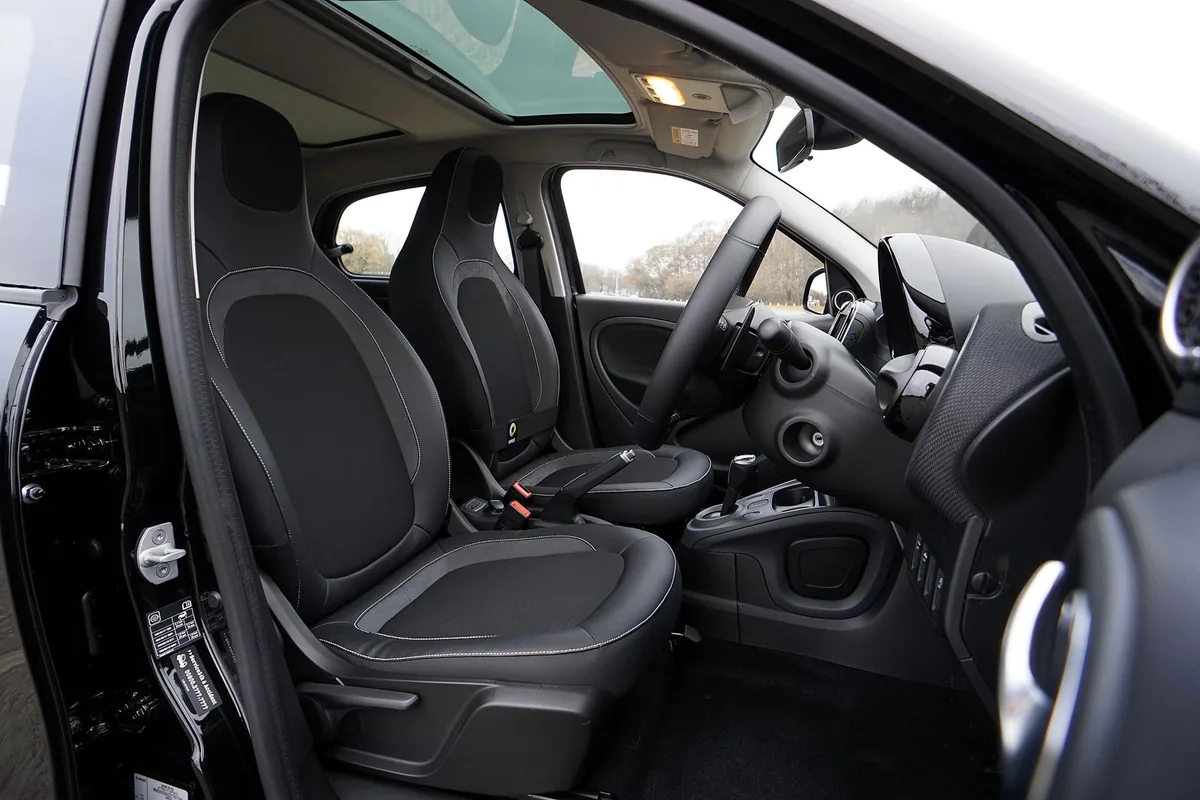
Vehicle biohazard cleanup, whether for one seat or a full cabin, follows the same pattern as work inside a building: protect, remove, disinfect, dispose and check.
For vehicle biohazard cleanup around the clock in Drew, Indianola and nearby towns in Sunflower County, call Drew Biohazard Cleanup Help. Work on your vehicle follows bloodborne pathogen safety rules from the first step to the last.
With about 54 inches of rain a year in Drew, damp air and leaks can feed mold in a contaminated vehicle that was left sitting. If you were exposed to blood in a vehicle, North Sunflower Medical Center Cah in Ruleville is the closest emergency room to ask about testing and next steps.
The work often covers:
Before anything is touched, the crew looks over the interior for sharp objects, hidden pooling and personal belongings.
Technicians wear full protective equipment and limit access to stop cross-contamination.
Contamination is removed piece by piece. Surfaces get a detailed clean followed by an EPA-registered disinfectant.
The crew inspects each affected area, hauls away the waste and can provide notes for insurance claims.
Most vehicle biohazard cleanup jobs in Drew, MS cost between $500 and $5,000, based on published cost guides.
Where the vehicle sits can change the price. Work in a garage is simpler than work in an open lot or tow yard.
| Type of job | Typical range |
|---|---|
| Vehicle biohazard cleanup | $500 - $5,000 |
Published ranges only (BioCleaners Directory); every vehicle biohazard cleanup job in Drew is priced after an on-site look. Price drivers include type of interior materials, how serious the event was, time since the event, air system decontamination. Questions? Call (877) 812-4220.
A salvage vehicle is one an insurer has declared a total loss. Some are also tagged for contamination when blood or fluids were involved. Labels and rules vary, so ask the insurer or the state title office what applies to a specific vehicle.
Cleaning a biohazard car starts with protection: gloves, eye protection and a mask. Contaminated upholstery and padding are removed, hard surfaces are cleaned, and an EPA-registered disinfectant is used by the label. Heavy contamination is best left to a vehicle biohazard cleanup team.
Remove the source first, since the smell comes from fluid trapped in seats, carpet and seams. Surface sprays only cover it. A biohazard car cleaning team removes soaked materials, disinfects and treats odor in the cabin and vents.
Ask who can release it before cleanup starts. Cleaners can usually begin once the vehicle is released to the owner or an authorized person. Ask the cleanup company about timing once the vehicle is released.
Many auto insurance policies cover some losses that are not collisions, and some policies exclude cleanup. Only your policy and your insurer can say. Call before cleanup starts, take photos and keep every receipt.
It may, or it may not. It depends on whether an insurer, a salvage record or a title brand noted the contamination. Ask the seller, the insurer or the title office, and keep cleaning records.
Discreet biohazard car cleaning for drivers and businesses.
Call (877) 812-4220